Upcoming Lectures
April 16, 2024
12:00PM ET

- Rachel Levy (North Carolina State University)
In mathematics, rigor is both a practice and a value. However, the term isn’t exclusive to our field. How in the growing field of data science can we define rigor? What are the implications for the classroom? In what ways are our definitions of rigor influenced by the discipline where we practice it? Can we find analogies between definitions of rigor in pure and applied arenas? In what ways can we expect rigor from developers and practitioners of data science,...


April 2, 2024
12:00PM ET
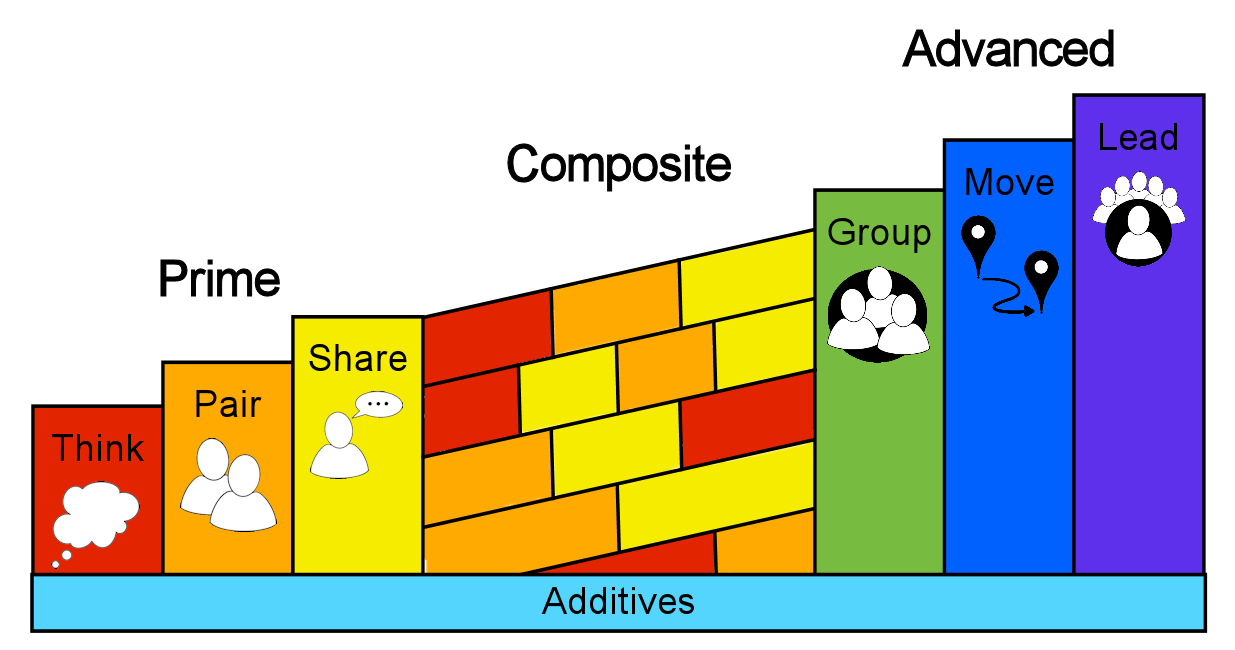
- Su Dorée (Augsburg University)
- Jennifer Quinn (University of Washington, Tacoma)
Mathematics organizations have called for more active learning in college mathematics classrooms. But exactly how can faculty get started with active learning? What should faculty do to try again if first attempts are unsuccessful? How can faculty build a toolkit of techniques? How can we use active learning in ways that improve equity? Even when strategies work well, how do we build student (and colleague) trust? In this seminar we introduce the Active Learning Pedagogy Sequence (ALPS) as a tool...

March 19, 2024
12:30PM ET
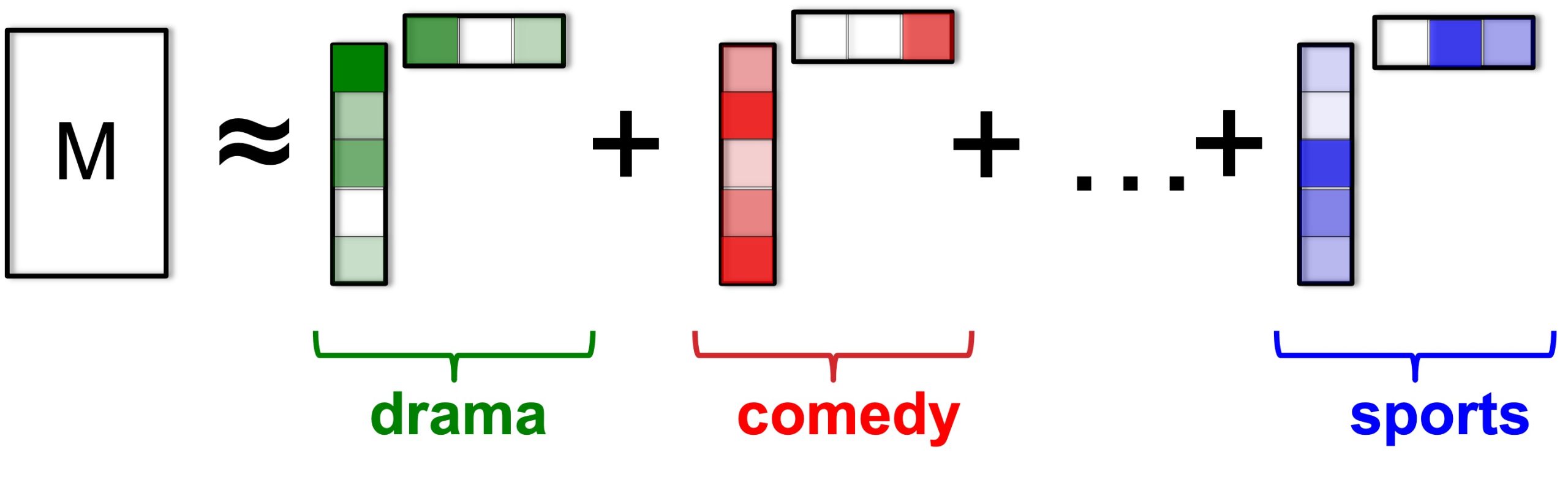
- Ankur Moitra (MIT)
In Fall 2020, we piloted a new version of introductory linear algebra at MIT (and have been teaching it ever since). Our goal was to emphasize modeling and computation, and not just problems that have a recipe-driven solution. For example, when you come across a problem in another domain, can you recognize when it is just linear algebra in disguise? Such examples help students better appreciate the expressive power of the abstractions they are learning. We also integrate hands-on projects...
March 5, 2024
12:00PM ET
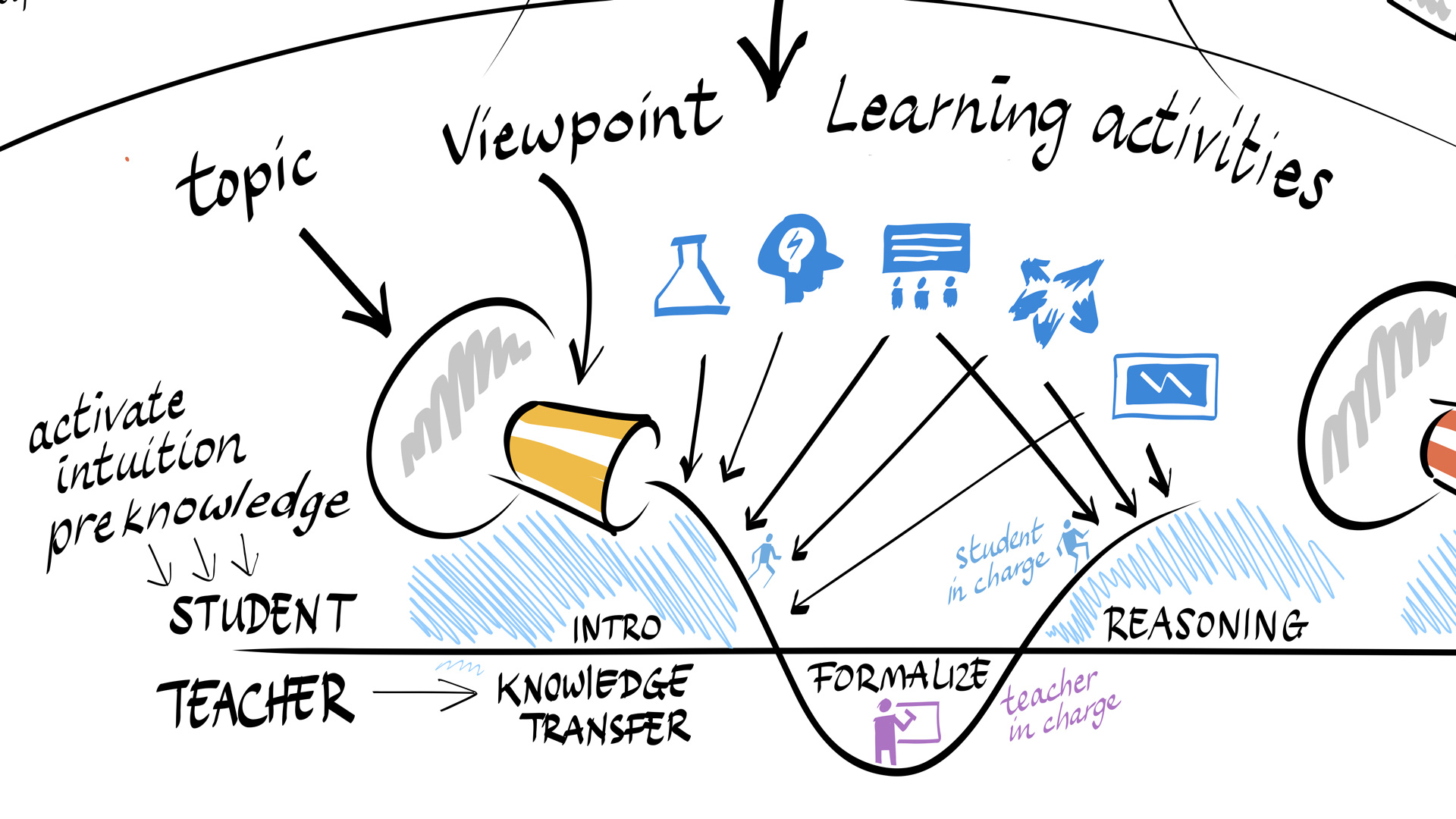
- Niek de Kleijn (TU Delft)
Inductive teaching flips the order of traditional mathematics education. Instead of rigidly introducing concepts and theorems and then considering examples and practice problems to understand them, we start by letting students consider the problems and examples and then encourage them to come up withthe relevant concepts themselves. Inductive teaching can often have a positive effect on the motivation of students to master the content of a mathematics course. In this talk I will describe our attempt to incorporate inductive teaching...
February 20, 2024
12:00PM ET

- Caroline Junkins
A diagnostic tool that aims to capture student voice at scale, using text analytics and data visualization. Diagnostic tools can be used to measure student mastery of prerequisite skills and preparedness for a given course. For a large-enrollment course serving students with a variety of backgrounds, skillsets, andmotivations, can we use this type of tool to generate action-oriented insights and inform teaching? In this project, we propose a framework for a diagnostic tool designed to provide nuanced information about a...
February 6, 2024
12:00PM ET

- Daniel Reinholz (San Diego State University )
This talk focuses on practical strategies that college mathematics instructors can use to promote anequitable and engaging classroom environment. I illustrate these strategies using a case study includingvideo clips from a professional development program that I have been running for math faculty members over the past five years. In addition to offering specific strategies, I also discuss a learning process that faculty members can engage in to help them better uptake the strategies in an effective way. I draw heavily...
December 5, 2023
12:00PM ET

- Lionel Levine (Cornell University)
Many of today’s math majors will be tomorrow’s AI engineers. How can we empower our students to succeed in a world pervaded by AI, and to shape that world? Tech progress may be inevitable, but it isalso path-dependent: The technologies we pursue as a civilization are ultimately a function of choices made by individual human beings. The future of AI holds great promise and, many believe, great peril. What is the best way to encourage our students – especially those...
November 21, 2023
12:00PM ET

- Paul Hand (Northeastern University )
Dr. Hand has helped develop mathematics projects for a variety of learning environments, including K-12 STEM camps, professional development for K-12 educators, and college classrooms. He will share stories and lessons learned from attempting to build projects that inspire students to pursue STEM. The talk will focus specifically on creating projects that are authentic to students’ lives, permit students to express their unique voice, and give students an appropriate amount of choice. These projects have been delivered in the Tapia...
November 7, 2023
12:00PM ET

- Lisa Carbone (Rutgers University )
We discuss some initiatives at Rutgers math department that aim to bring active learning into higherlevel proof-based math courses. One such established program is active learning in our Intro Math Reasoning course, in collaboration with the Rutgers Learning Centers. Another recent initiative is an NSF funded grant to explore the possibilities of introducing active learning into 300 level proof based Linear Algebra.
October 24, 2023
12:00PM ET

- Rachel Weir (Allegheny College)
Over the past few years, the use of alternative grading techniques, such as mastery-based testing, specifications grading, and ungrading, has become more prevalent in undergraduate mathematics courses and, more generally, across higher education. In this talk, I will describe my own grading journey, the efforts of myself and others to promote the use of alternative grading, and lessons learned about how to effectively encourage widespread adoption of alternative grading approaches.
October 10, 2023
12:00PM ET
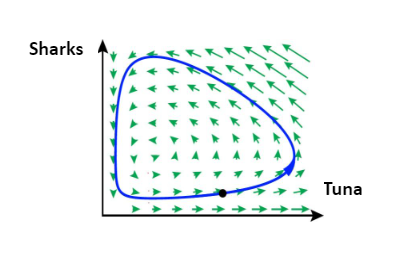
- Alan Garfinkel (UCLA )
There is a need to reform how we introduce math to beginning students in Life Science. The usual “Calculus for Life Sciences”, which is a watered down version of Calculus I, possibly including some trivial biological examples, has failed to inspire students. Even worse, the math gateway courses into the life sciences serve as powerful filters keeping women and under-represented minorities out of the life sciences and medicine. We designed such a course, and are currently teaching it to ~2000...
September 26, 2023
12:00PM ET

- Sheila Tabanli (Rutgers University)
There is a large body of research on the importance of explicitly teaching students about evidence-driven strategies for effective learning. Incorporating instructional strategies grounded in cognitive science can enable educators and learners to prosper in their academic goals. As educators, specifically during an era of pandemic-induced learning loss and the loss of motivation and interest in higher education, we strive to explore novel methods to transform our teaching practices. To reduce the gap between research on learning and the practice...